
Peptides for Sleep and Cognitive Support
The sleep and nootropic peptide space is narrower than the fat-loss or growth-axis categories — but it's dominated by compounds with decades of research behind them, most of it from Russian neuropharmacology groups.
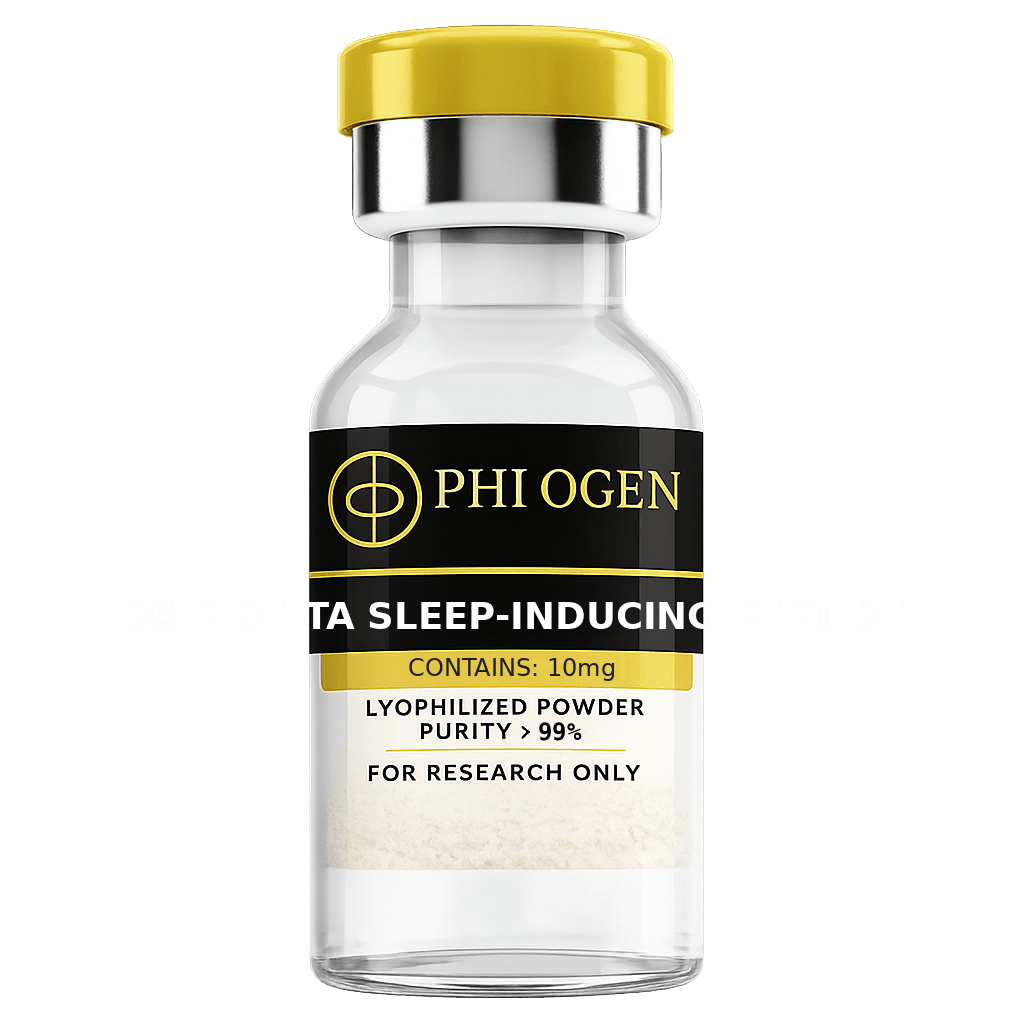
DSIP: the original "sleep peptide"
Delta Sleep-Inducing Peptide was isolated from the cerebral venous blood of sleeping rabbits in 1977 — one of the most literal naming conventions in peptide research. Nine amino acids. Research describes it modulating delta-wave EEG activity, stress-axis signaling, and certain neuroendocrine parameters. Notably, despite decades of study, DSIP's specific receptor target remains an open research question.
Available in 5, 10, and 15 mg vials. Short pulsed research protocols are typical.
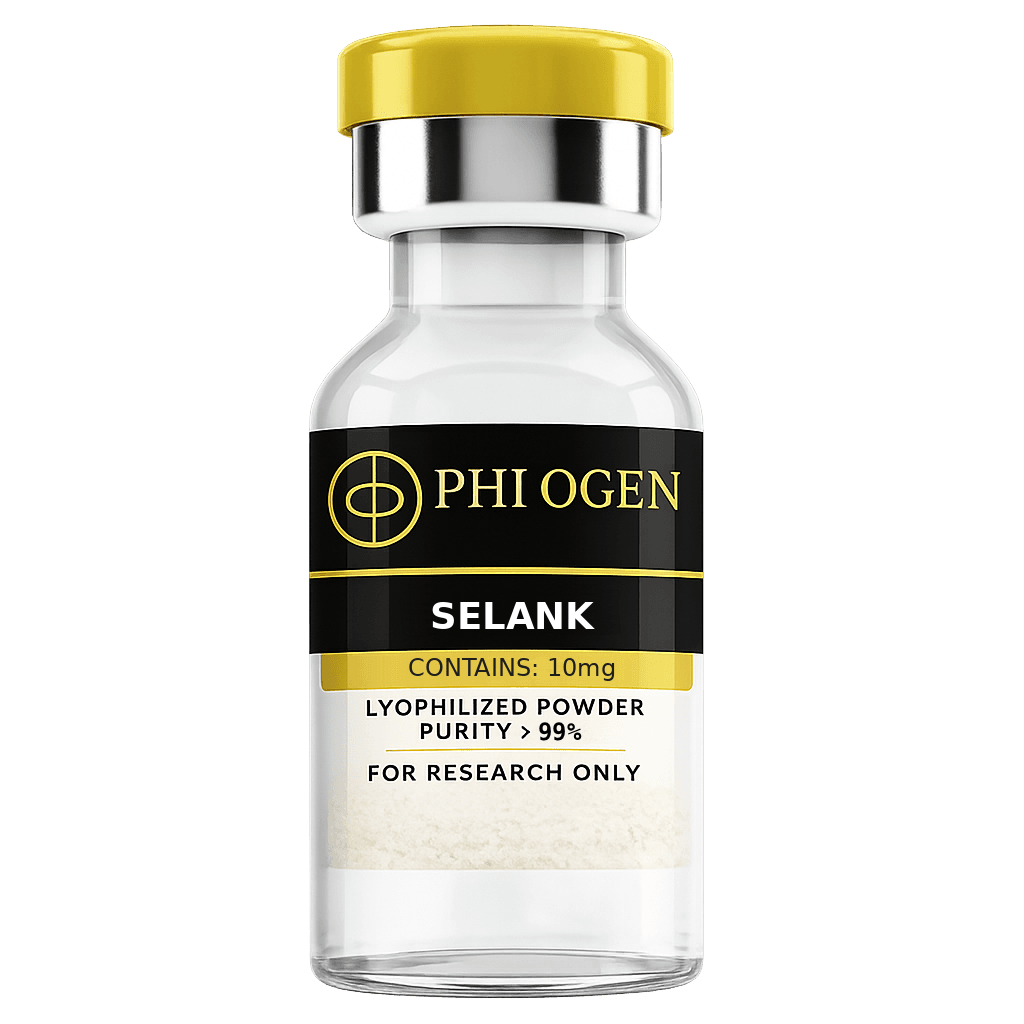
Selank: anxiolytic peptide
Selank is a synthetic heptapeptide analog of tuftsin, developed at the Institute of Molecular Genetics of the Russian Academy of Sciences. It is studied primarily for its anxiolytic and immunomodulatory effects, with documented activity on GABAergic and serotonergic systems.
The NA-Selank Amidate version is N-terminally acetylated — improved stability for longer research windows. Both intranasal and injectable routes appear in the literature.
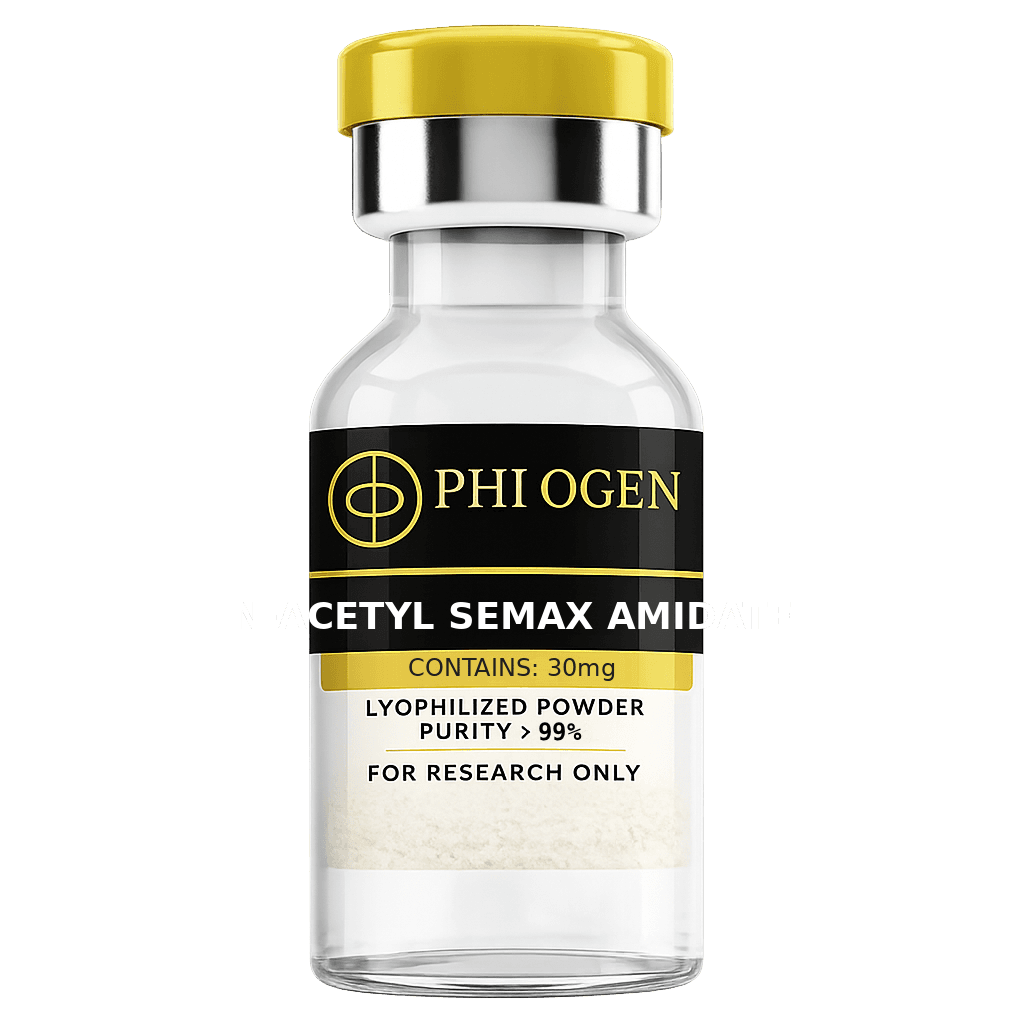
Semax: the nootropic heptapeptide
Semax is derived from ACTH(4-10) — the non-corticotropic fragment of adrenocorticotropic hormone. Research reports strong BDNF and NGF upregulation, plus modulation of dopaminergic and serotonergic signaling. It has been studied across learning, memory, and post-ischemic-recovery research models.
N-Acetyl Semax Amidate is the stabilized form — N-terminally acetylated and C-terminally amidated for extended half-life. This is the version most research protocols use for longer studies.
Selank vs Semax
Both are Russian-developed short peptides with overlapping but distinct profiles:
Selank
Anxiolytic-focused. GABAergic and serotonergic modulation. Studied more in anxiety and stress-response research.
Semax
Cognitive-focused. Strong BDNF/NGF upregulation. Studied more in learning, memory, and neuroprotection research.
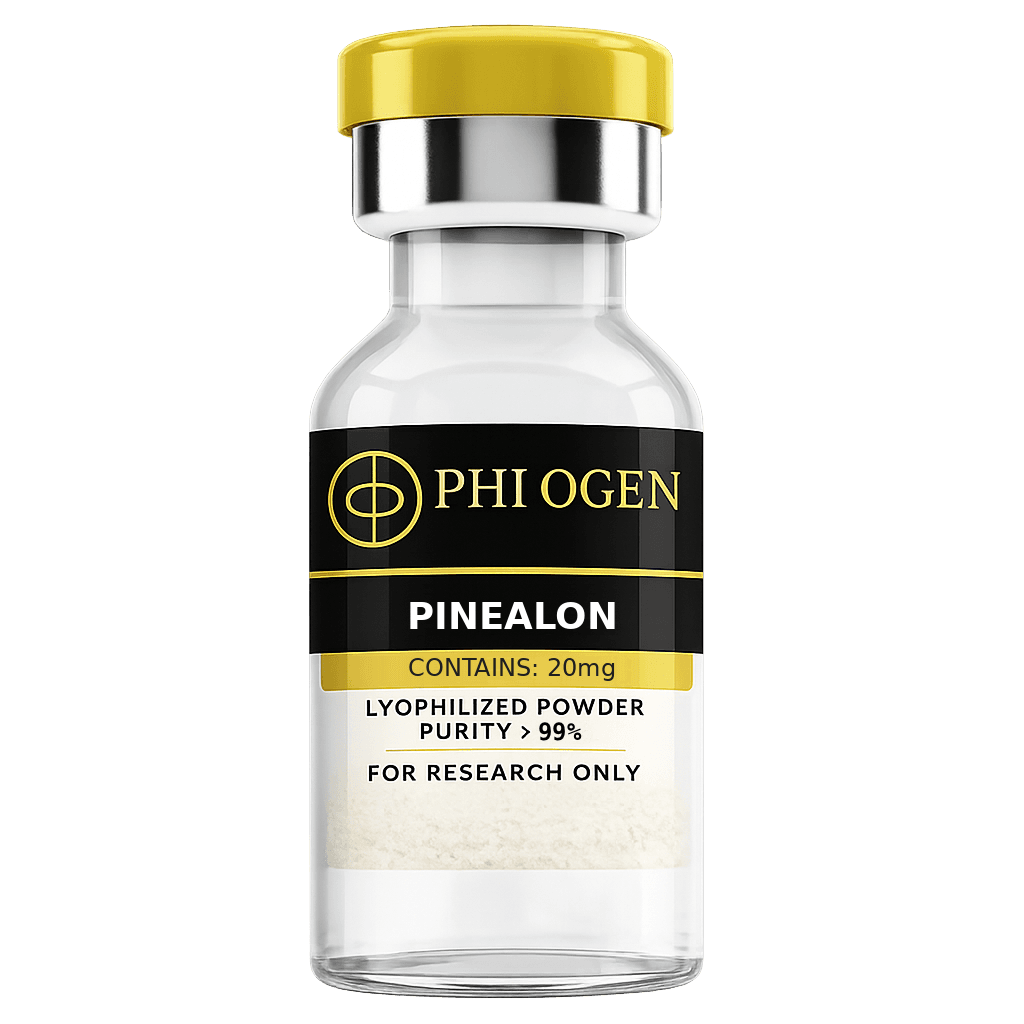
Pinealon: bioregulator research
Pinealon (Glu-Asp-Arg) is a tripeptide in the Khavinson bioregulator class — a family of short peptides developed by Prof. Vladimir Khavinson for tissue-specific research. Pinealon targets pineal-gland and neuronal endpoints. Short pulsed courses (10–20 days) are the standard research protocol.
Epitalon (for circadian research)
Technically a longevity peptide, but included here because of its reported effects on pineal-axis function and melatonin rhythms. Some research protocols use Epitalon specifically for circadian-research endpoints rather than telomere biology.
Adamax
A less-commonly-discussed nootropic compound that appears in the cognitive research catalogue. Niche option — most researchers stick with Selank or Semax as their primary cognitive tools.
PE-22-28: depression research
A research peptide studied in mood and depression models. Narrow research application but represented in the catalogue.
Choosing between formats
Selank and Semax both come in injectable and intranasal research formats. Intranasal is the classic Russian-research delivery route — it bypasses the blood-brain barrier and reaches CNS targets rapidly. Injectable routes are used when researchers need more predictable pharmacokinetics.
Research-use notice
These compounds are sold through Tidemaxxing for laboratory research only. Nothing on this page is medical advice.
Featured compounds
Related reading
Every compound referenced on this page is indexed in the catalogue with per-batch COAs and direct purchase links.
Open the catalogue →