
What Are Peptides? A Beginner's Guide
Peptides are short chains of amino acids — the same building blocks proteins are made of, just smaller. That size difference turns out to matter a lot for biology, pharmacology, and the way peptides have come to dominate the research-compound space.
Peptide vs protein: where's the line?
Convention: fewer than ~50 amino acids is a peptide; longer than that is a protein. It's a soft line — insulin is 51 residues and is often called a peptide hormone. The functional difference is that shorter chains fold less, are often more stable, and can be chemically synthesized at scale. That last point matters: peptides can be manufactured by solid-phase synthesis rather than through living cell lines, which keeps research-grade material affordable.
How peptides signal
Most research peptides act by binding cell-surface receptors — the same way hormones do. GLP-1 agonists bind the GLP-1 receptor. GHRPs bind the ghrelin receptor. Melanocortin agonists bind MC1R/MC3R/MC4R/MC5R. The receptor determines the downstream effect, which is why a small difference in peptide structure can mean a completely different endpoint profile.
The main research families
Growth-axis peptides
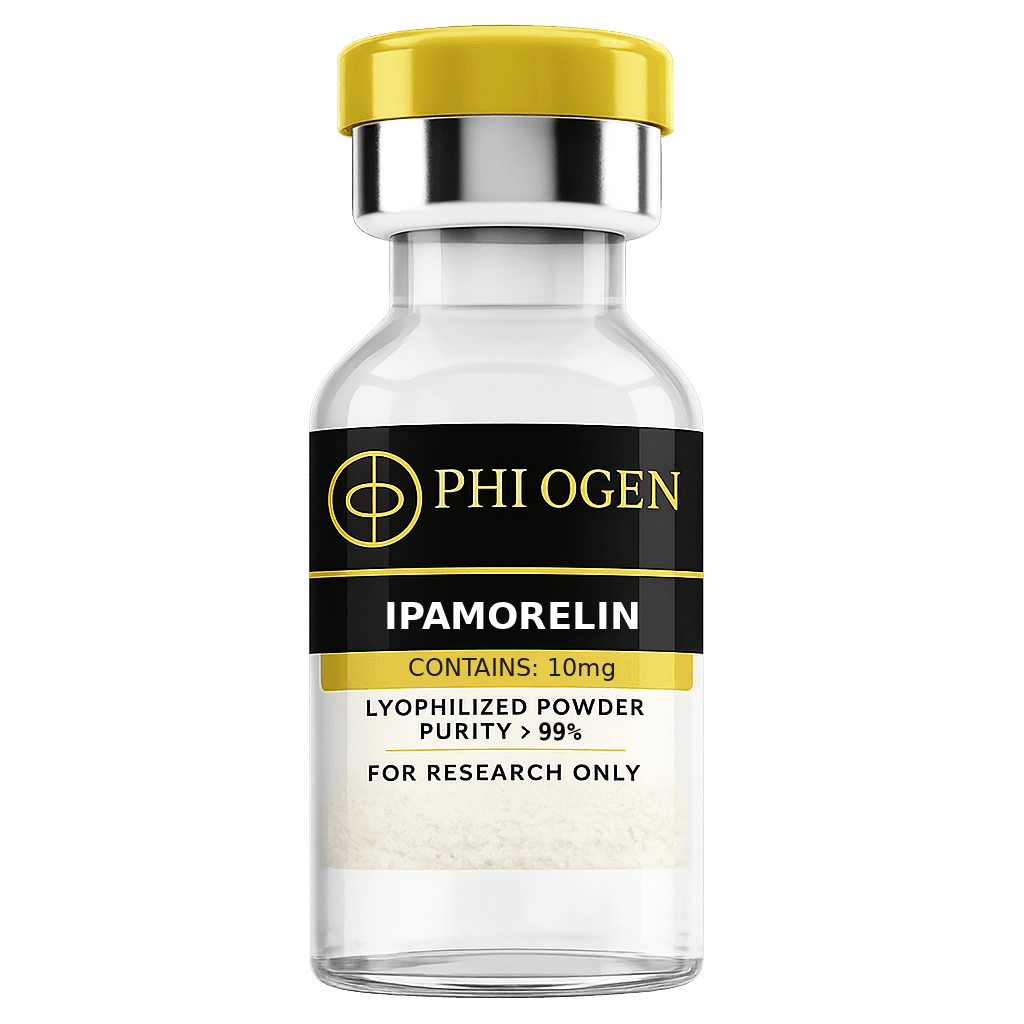
GHRPs (GHRP-2, GHRP-6, ipamorelin, hexarelin) bind the ghrelin receptor and stimulate growth-hormone release. GHRH analogs (sermorelin, tesamorelin, CJC-1295) bind a separate receptor and produce the same outcome via a different route. The two classes are commonly stacked because activating both receptors produces stronger GH release than either alone.
Incretin peptides (GLP-1 class)
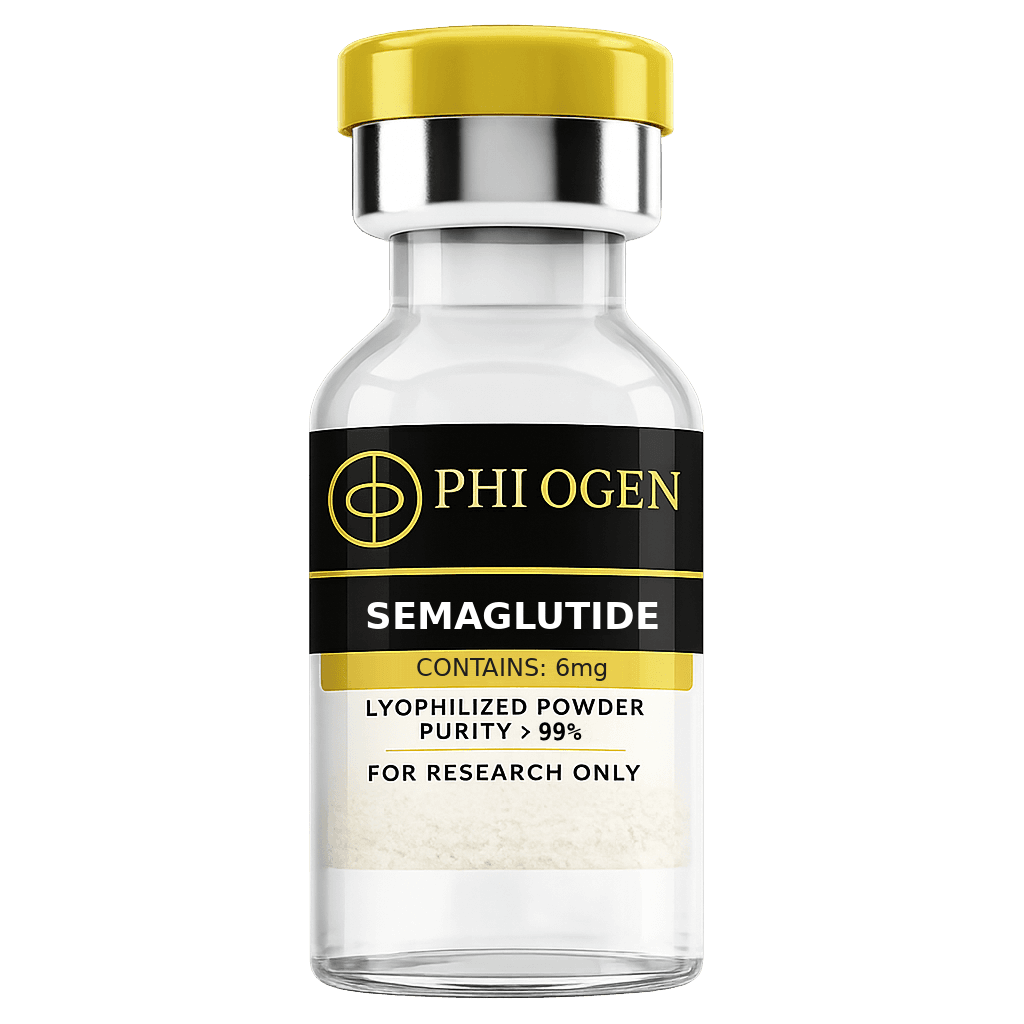
Semaglutide, tirzepatide, retatrutide, survodutide, mazdutide — these are the fat-loss / metabolic peptides that have dominated news cycles. They act on the GLP-1 receptor (and in some cases GIP and glucagon), affecting insulin secretion, gastric emptying, and central appetite regulation.
Repair and soft-tissue peptides
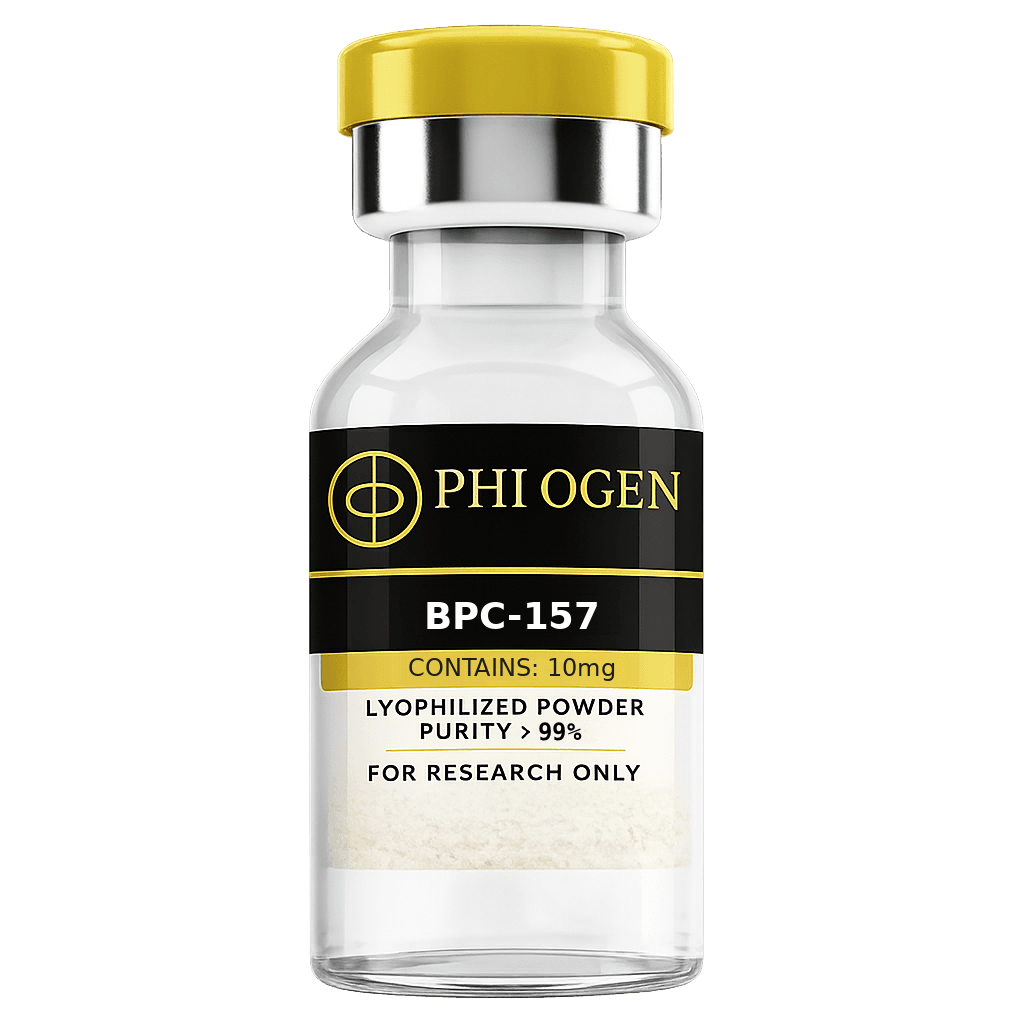
BPC-157 and TB-500 are the two most-studied compounds here. BPC-157 drives angiogenesis and has a huge rodent-model literature behind it. TB-500 promotes cellular migration. They hit different parts of the repair pathway, which is why stacks combining both are popular.
Cosmetic and skin peptides
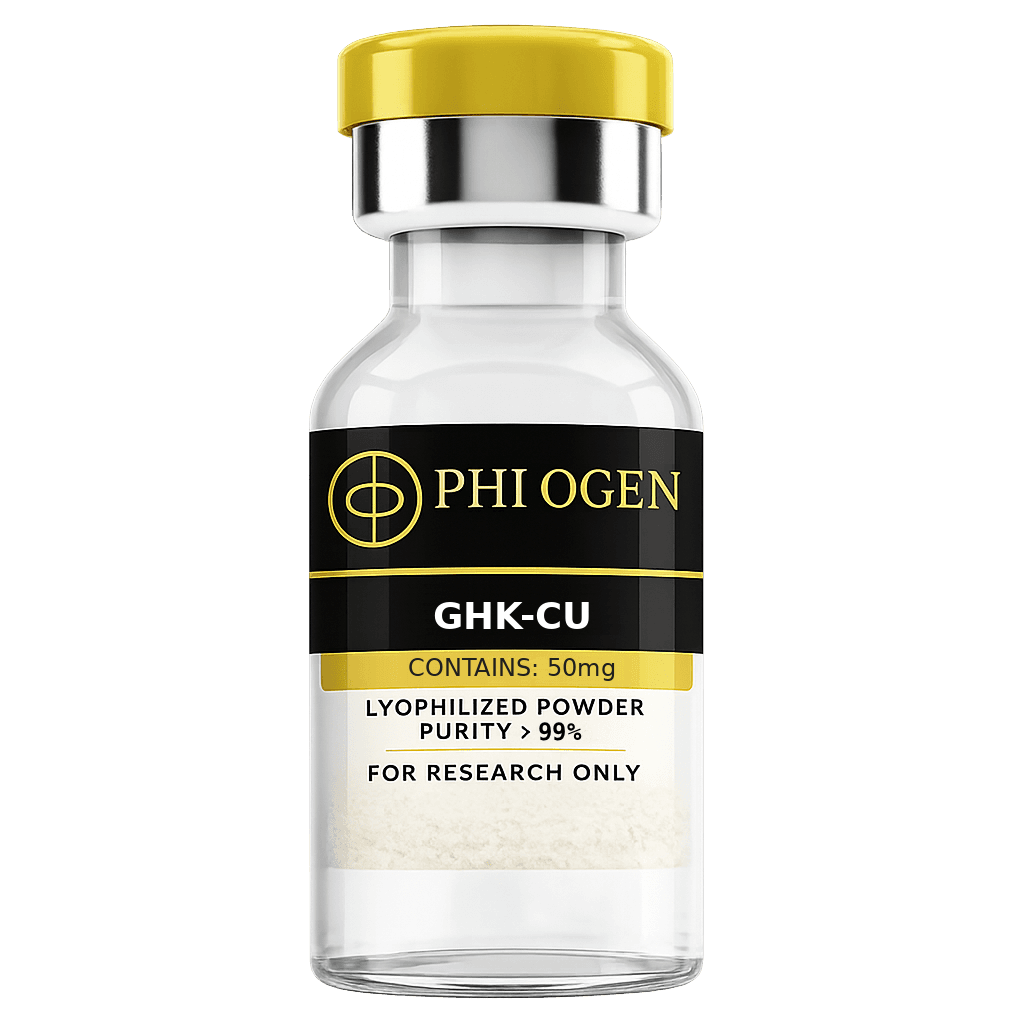
GHK-Cu is the anchor — decades of literature in skin, hair, and wound research. Blends like GLOW and KLOW extend this with repair and anti-inflammatory peptides.
Cognitive / sleep peptides
Selank, semax, DSIP, pinealon — short peptides with nootropic, anxiolytic, or sleep-modulating profiles. Most of this literature comes from Russian research groups going back to the 1980s.
Longevity peptides
Epitalon (telomerase activation), NAD+ (sirtuin substrate), MOTS-c (mitochondrial signaling), SS-31 (mitochondrial membrane support). This is where the newest research keeps popping up.
Why peptides come as lyophilized powder
Peptides are unstable in solution at room temperature. Freeze-drying them (lyophilization) removes water and locks them in a stable form for shipping and storage. Researchers reconstitute with bacteriostatic water just before use. Unreconstituted vials stay stable for months to years in a freezer.
Certificate of analysis: what to look for
A COA is an independent lab report verifying that the vial contains what the label says. Key items: identity (mass spectrometry confirming the molecular weight), purity (HPLC showing the % main peak), and absence of common contaminants. Anything without a COA is a guess.
Reading a product label
- Name + dose — "BPC-157 10mg" means 10 mg of BPC-157 total in the vial.
- Format — vial (injectable), capsule (oral), or bulk powder.
- Purity — % main peak by HPLC. 98%+ is the standard to expect.
- Storage — room temp for unreconstituted, refrigerate once mixed.
Where to go next
The catalogue on Tidemaxxing is organised by research pathway rather than by compound name — if you know what endpoint you're researching, start there. If you know the compound name, the full catalogue has every vial indexed.
Featured compounds
Related reading
Every compound referenced on this page is indexed in the catalogue with per-batch COAs and direct purchase links.
Open the catalogue →